Posted by kavery508 | Posted in Uncategorized | Posted on May 25, 2015
 Floral Goes Green is coming! Classrooms have been busily engaging in science, math, and literacy learning around a wide assortment of environmental topics. Each class will display their findings, along with environmentally positive messages, around the school that we might learn from each other. It’s a great example of school-wide collaboration!
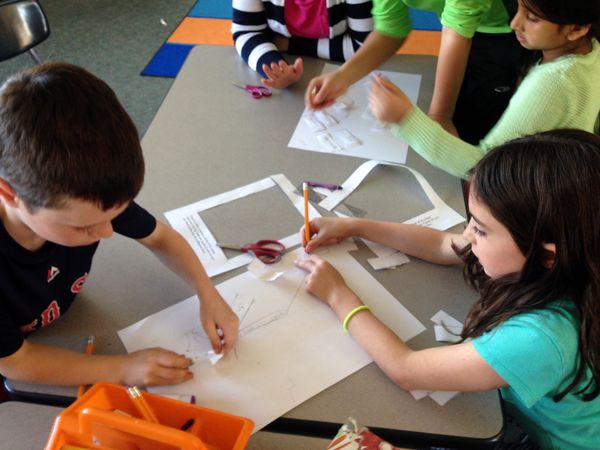
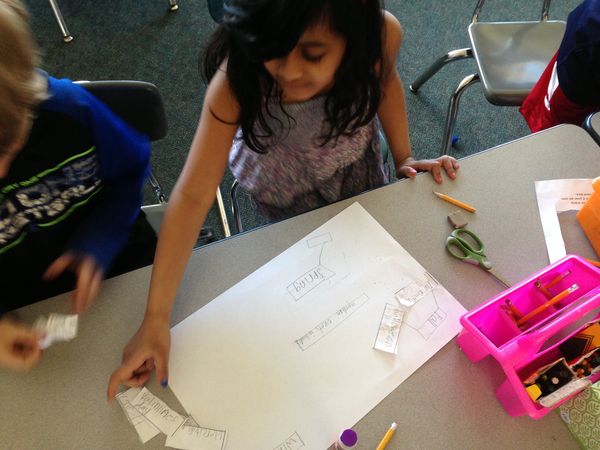
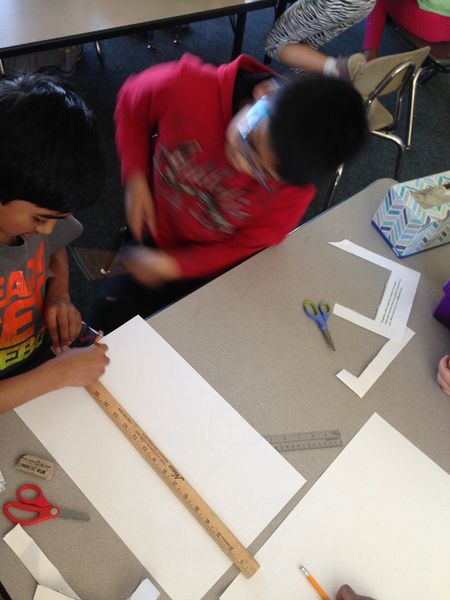
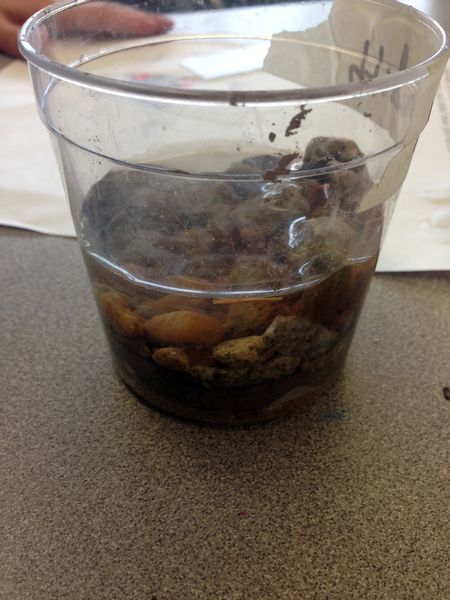
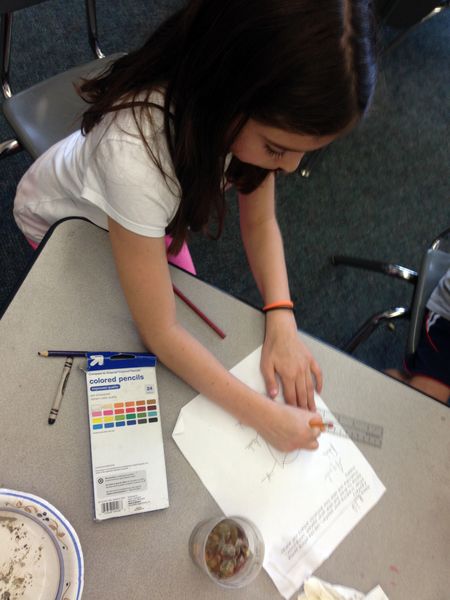
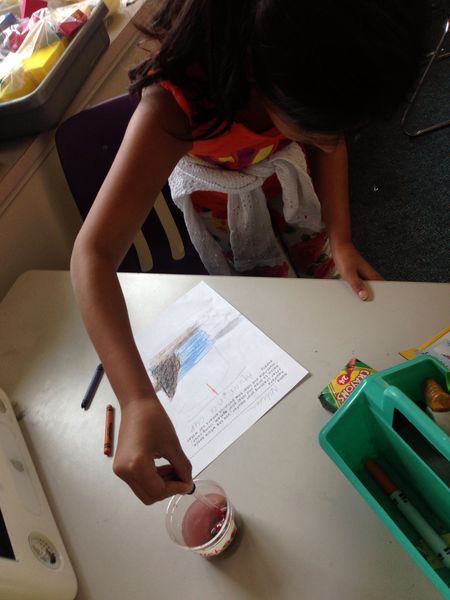
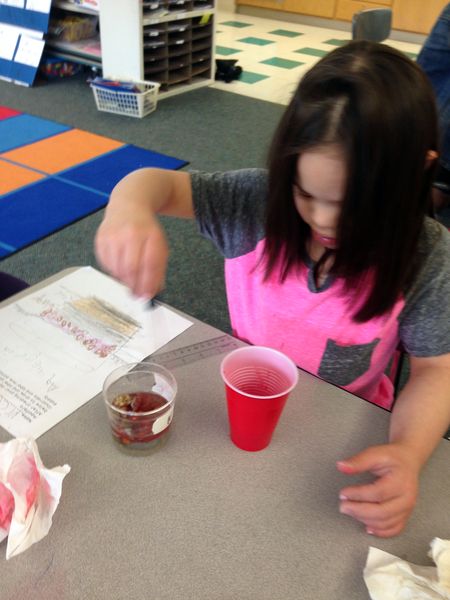
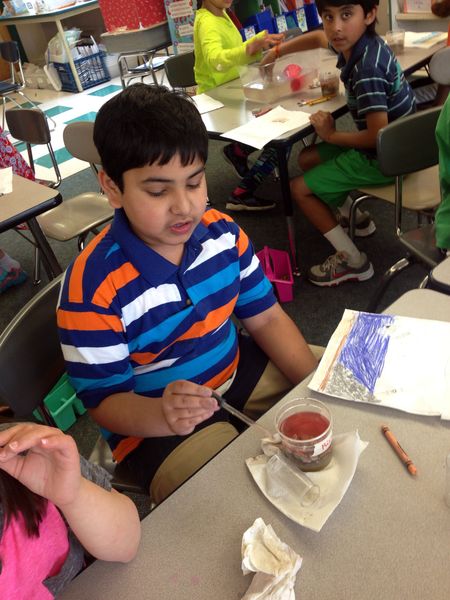
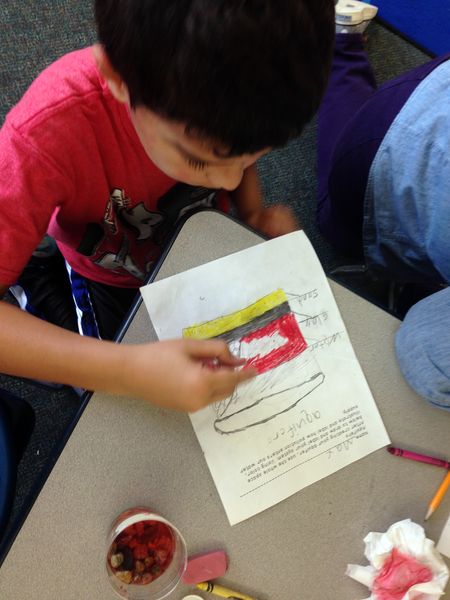
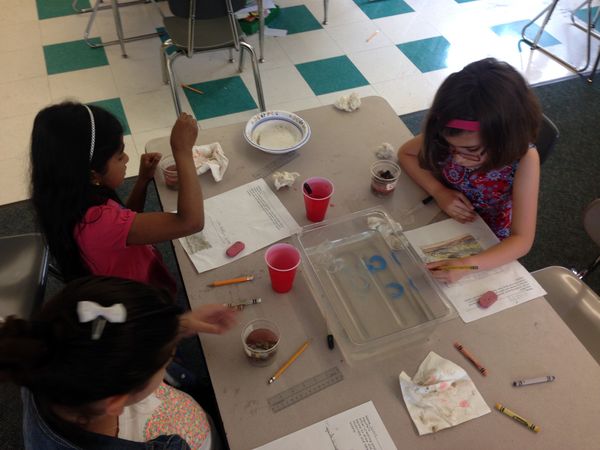
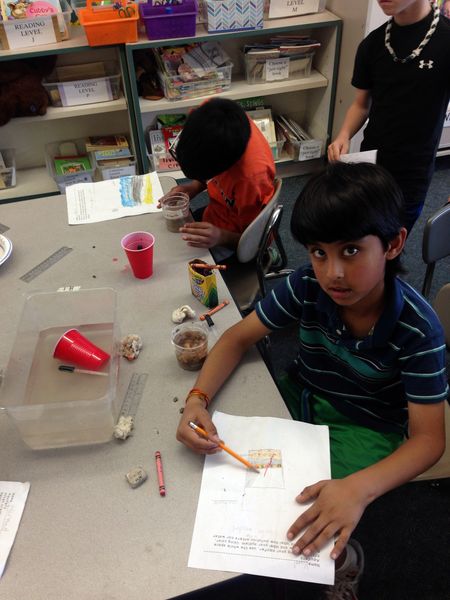
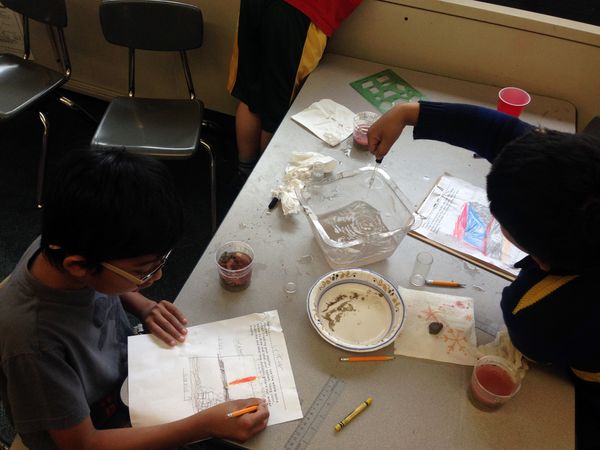
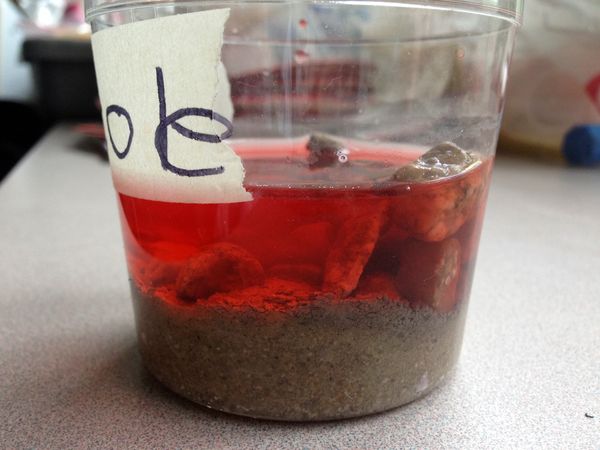
For our part, students have learned what a precious resource potable water is locally and globally. They have explored the many steps involved in getting water to our school and houses, including creating their own aquifers (see pictures below). They have researched potential dangers to our water supply and how people try to solve them. This week they will learn all about water conservation inside and outside our homes and buildings. In addition they will create graphs to show the data they collected at home regarding water use; write Informative Writing pieces based on research of groundwater, aquifers, wells, and more; and advocate for ways we can all use water more wisely.
There are a few things we’re asking you to do to support this learning:
1. If you haven’t sent in the tally sheet titled List #2–Ways I use water at home that went home last week, please do so by Tuesday. We need them to create our graphs!
2. Please send in a 1-liter size bottle, rinsed and with label removed (actually, send a few if you can). Second-graders need them to take part in a planting station available during FGG.
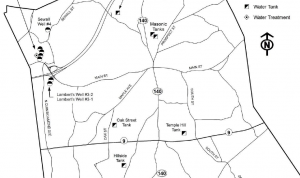
3. Send in pictures of your child finding water tanks around Shrewsbury so we can add them to our display by Wednesday. See our blog from the past two weeks for directions and map.
4. See the Falcon Flyer for ways you can participate before, during, and after school on Thursday and Friday.
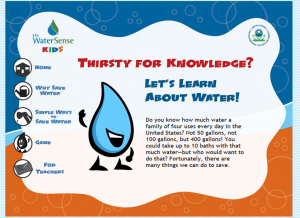 Our lessons for water conservation come largely from the US Environmental Protection Agency’s educational pages, Water Sense Kids. Click the photo above for information and games your family can use at home!
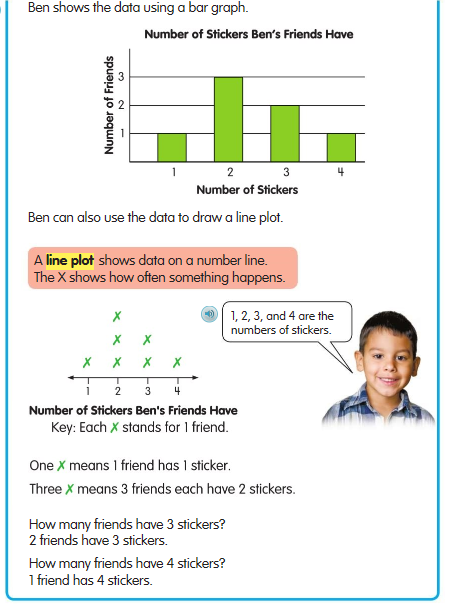
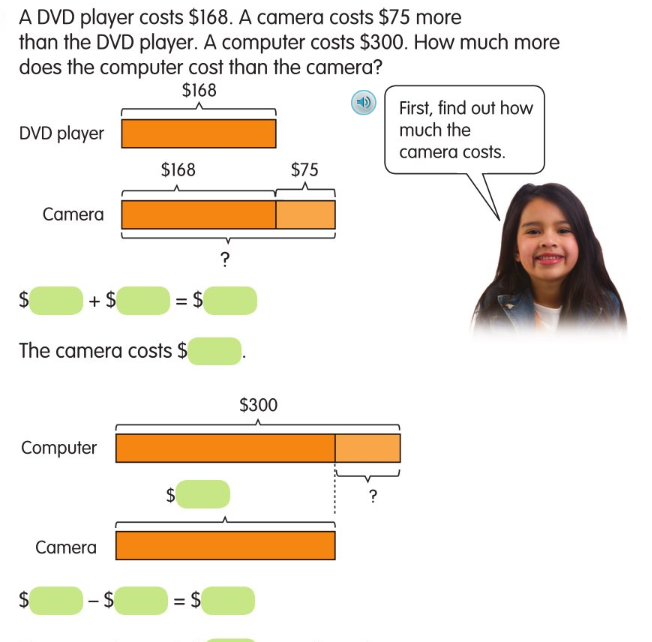
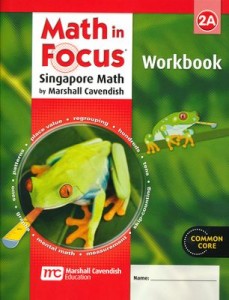 This week we wrap up our learning on data and graphing by examining line plots and bar graphs. What’s important for kids to know at the end is that information can be shown visually in a variety of ways; that a “key” holds important information for interpreting graphs; and that there is a difference between reading a graph (just saying what you literally see) and interpreting them (telling what the tallies, bars, numbers, and words mean). This page from the student book illustrates these points well:
Field Day is right around the corner (June 4, 12-3 PM). We still need volunteers! Please sign up at: http://www.signupgenius.com/go/904094faca622a13-field1 A current CORI is needed.
 You’re invited! Our End-of-Year Celebration will be held Friday, June 12, 9:30-10:15 in our Cafeteria. Similar to our Winter bash, we will be performing on the stage for family and friends, and we will remain after for photo opportunities and congratulations!
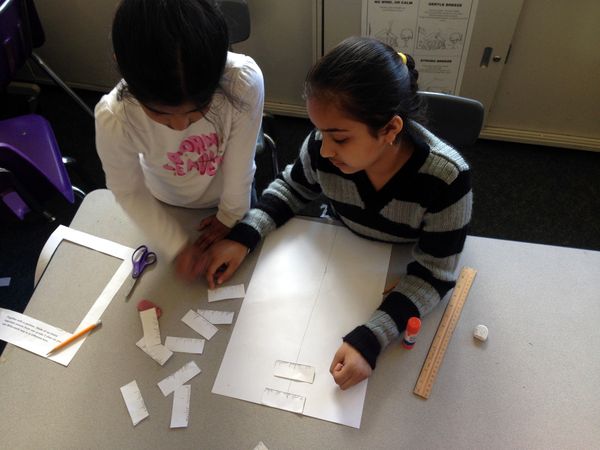
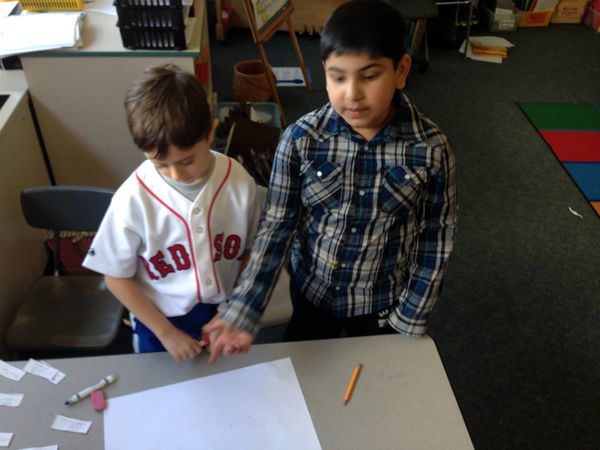
Here’s us building our aquifers and discovering how contaminants (in red) seep all the way down to the deepest layers:
 Our focus on opinion writing wraps up this week in a big way! Students are asked to take a stand and propose an argument on a topic they feel strongly about, for example: Should animals be kept in zoos? Do we do enough to stop bullying at school? What are the most important character traits a teacher/coach/parent should have? Kids will organize their argument; state reasons for their opinion; and craft an introduction and conclusion to their pieces. Smart!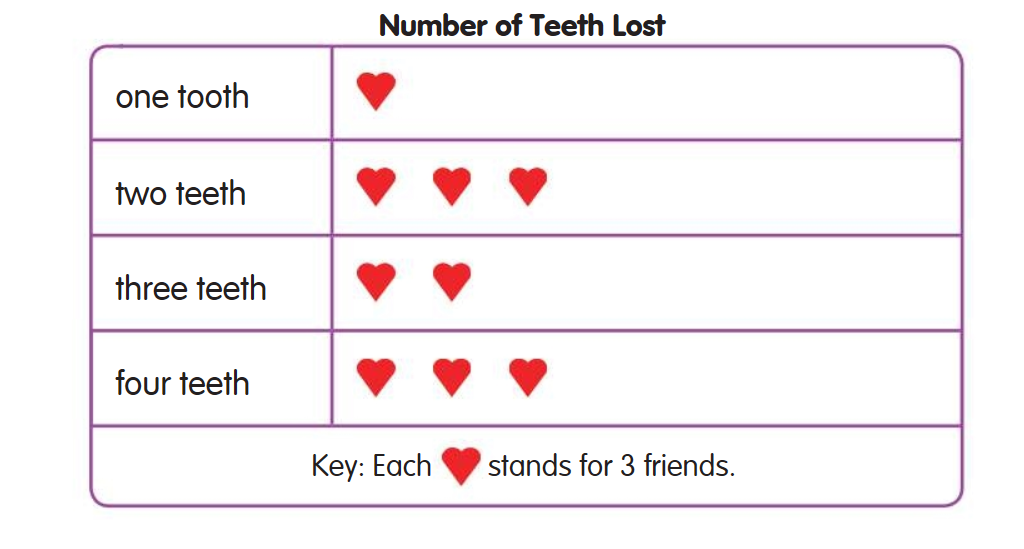
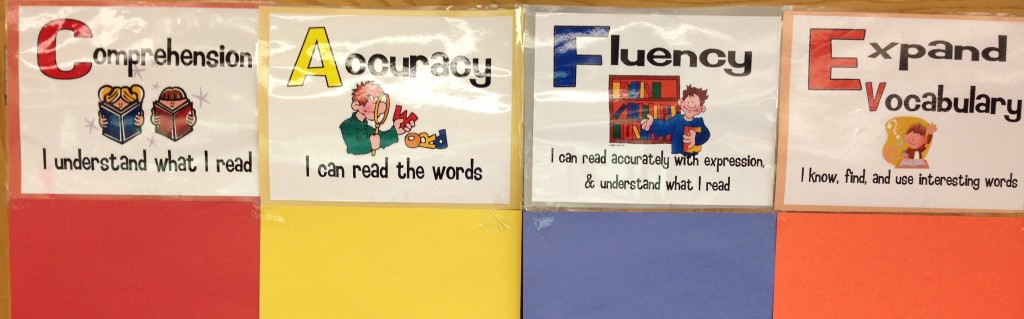
 Our blogs are up and running! As promised, I will send home a link to view them. For added privacy, I will not post it here; rather, it will come home in paper form on Monday. Students have asked if they can log in to their own blogs at home in order to comment on peer’s work or reply to comments. This seems reasonable since our time and technology are limited at school. I have said they may if they remember the guidelines about collaboration and netiquette: 1) Use friendly letter format to greet the blogger, write a closing and sign your name. 2) In a positive way, comment on what the blogger wrote instead of chatting with him/her. 3) When replying to a comment, thank the commenter and write a sentence about the topic, including answers to any questions posed by the commenter. 4) English matters! Check for upper/lowercases, punctuation, grammar, and spelling before submitting. Bear in mind if perusing other student blogs that this is a new endeavor and the quality of our comments is a work in progress!

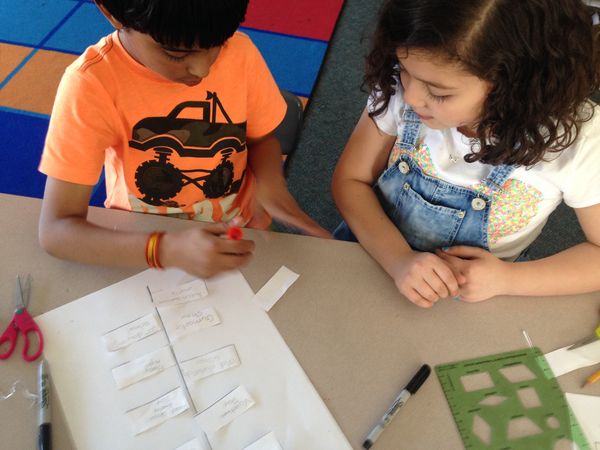
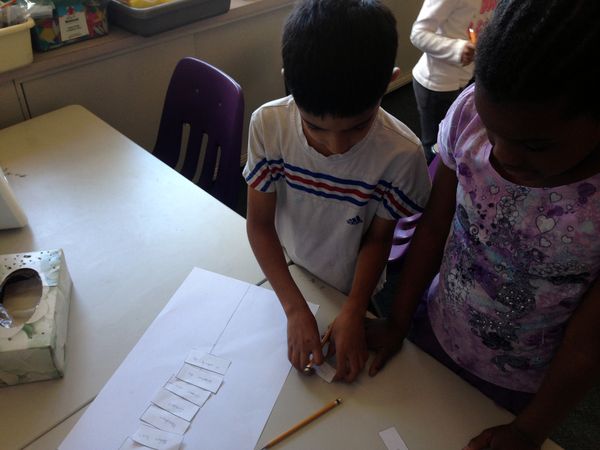
 Our work with timelines and history has yielded great things! After analyzing various effective formats for showing information on timelines and using online mind-mapping software from bubbl.us to create new designs, students applied their learning by collaborating with peers to create timelines of past events that are important to them. Very smart!