Posted by kavery508 | Posted in Uncategorized | Posted on September 30, 2019

The Grade 2 Field Trip is coming! On Thursday, October 17, our class will be traveling back in time on a visit to Old Sturbridge Village. The permission slip and fee request will be sent home today. Our class needs 5 chaperones, charged at the student rate of $20. Please contact me if you are interested!
A current CORI check is required for chaperones. If you need one done, this is the week to do it as it typically takes some time for them to get back to us.
The educational purpose of the trip is to investigate and learn about economics in a hands-on way, through the lens of local history. We will examine how wants and needs affect the goods and services provided to consumers of a community, and each student will produce an artifact to bring home. This place is a unique gem, similar to Plimoth Plantation, that I encourage everyone to make it part of your weekend repertoire. To learn more and take a virtual tour, visit: https://www.osv.org/
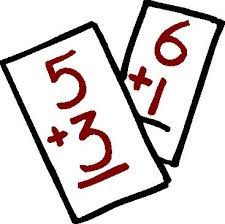 Math facts practice begins this week! Our first quiz will be this Friday.
Coming home today is 1) a cover letter with explanations and suggestions for nightly homework practice, along with your child’s level 2) your child’s placement test 3) math fact cards at your child’s level, and 4) two practice quizzes. Please don’t return any of these. I recommend at least 5 minutes per night for practice, since practicing for 20 minutes one night per week just won’t help kids retain the information.
Quizzes are given on Fridays and returned on Mondays. The timed aspect of these quizzes tends to be the hardest thing to master. You can make additional quizzes by using the websites Math Fact Café (addition and subtraction) and Math Aids (multiplication and division). You can also make fancier flash cards at A+ Math Fact Flashcard Maker. All three websites can be found under the “Parent Resources” section above. For those of you who enjoy practicing facts using Xtramath.org, account information and passwords will be sent home next week.
Students will be encouraged and praised for making progress toward the eventual goal of achieving math fact fluency to 10 by trimester one’s end; to 15 by the end of trimester 2; and to 20 by trimester 3 (report card expectations). Students who pass 20 will move on to multiplication, then division.
 In the classroom this week, students will be learning the fine points of regrouping when adding, across the ones and tens (think 264+ 158). They will be working with base ten blocks to model the process and show understanding. They will be showing it another way by drawing base ten pictures (squares for hundreds, etc., like on homework). And they will finally learn to write the “1” over the tens or hundreds column when regrouping–what we used to call “carrying”.
The difference between how we learned it years ago and how it’s taught today is that we’re making sure students have a real sense of the numbers involved and what the process of regrouping is really all about. In your homework packet in the center I have included a step by step picture guide so you can help your child at home if they need it (see Chapter 2). Whether they do or not, it’s always wise to ask them questions: How many hundreds/tens/ones are in that number? Will you need to regroup? How do you know? Does your answer make sense? Could you prove it another way?
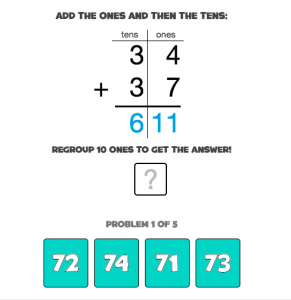
A great way to practice regrouping in the 10s and 1s is to play Funny Numbers at Greg Tang Math. Click on the picture above. Choose “Base 10” , then the operation “+“. Notice in the example above: 11 is one 10 and one 1; we regroup by combining the six 10s and the one 10, for a total of 71.
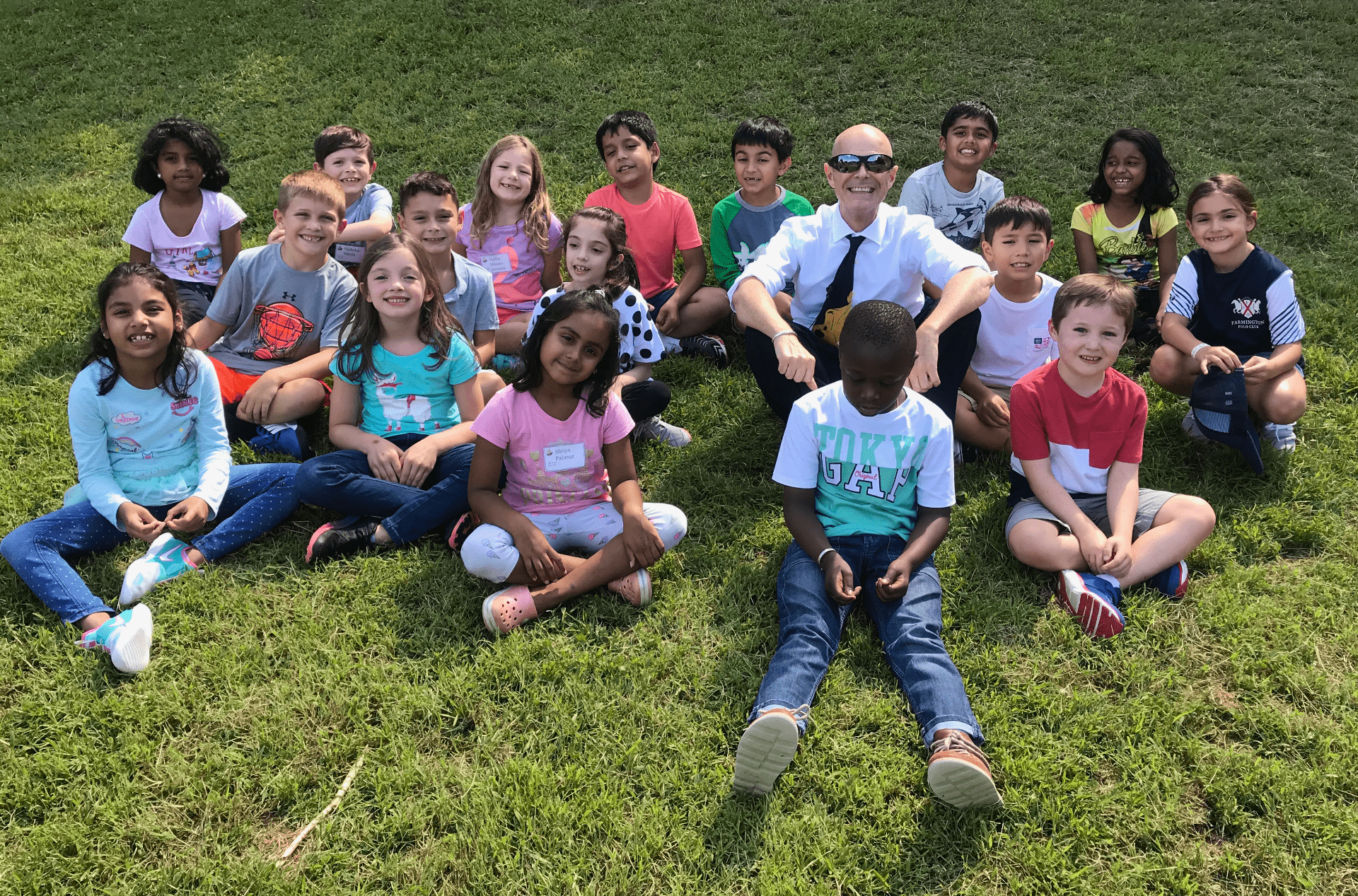
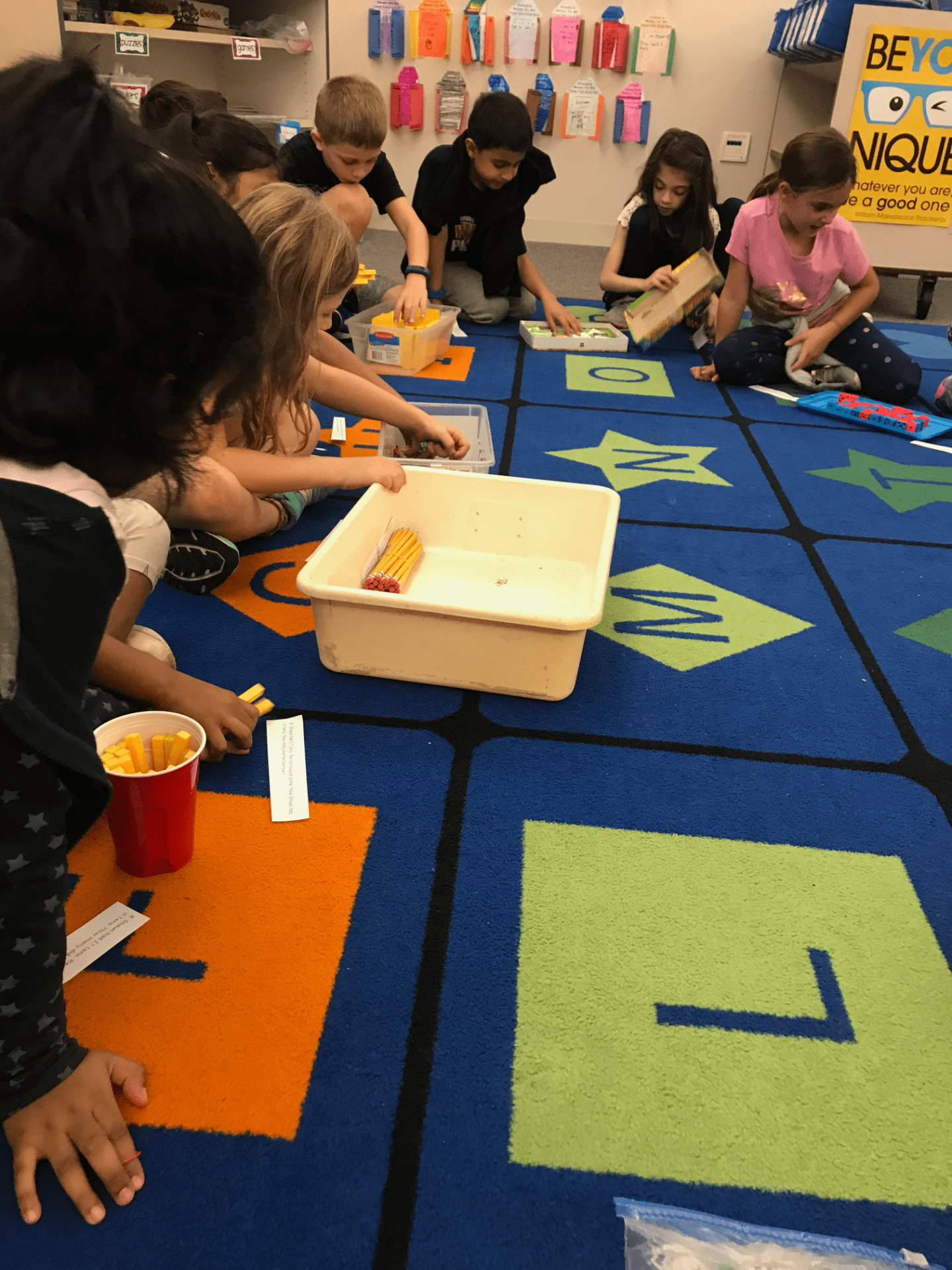
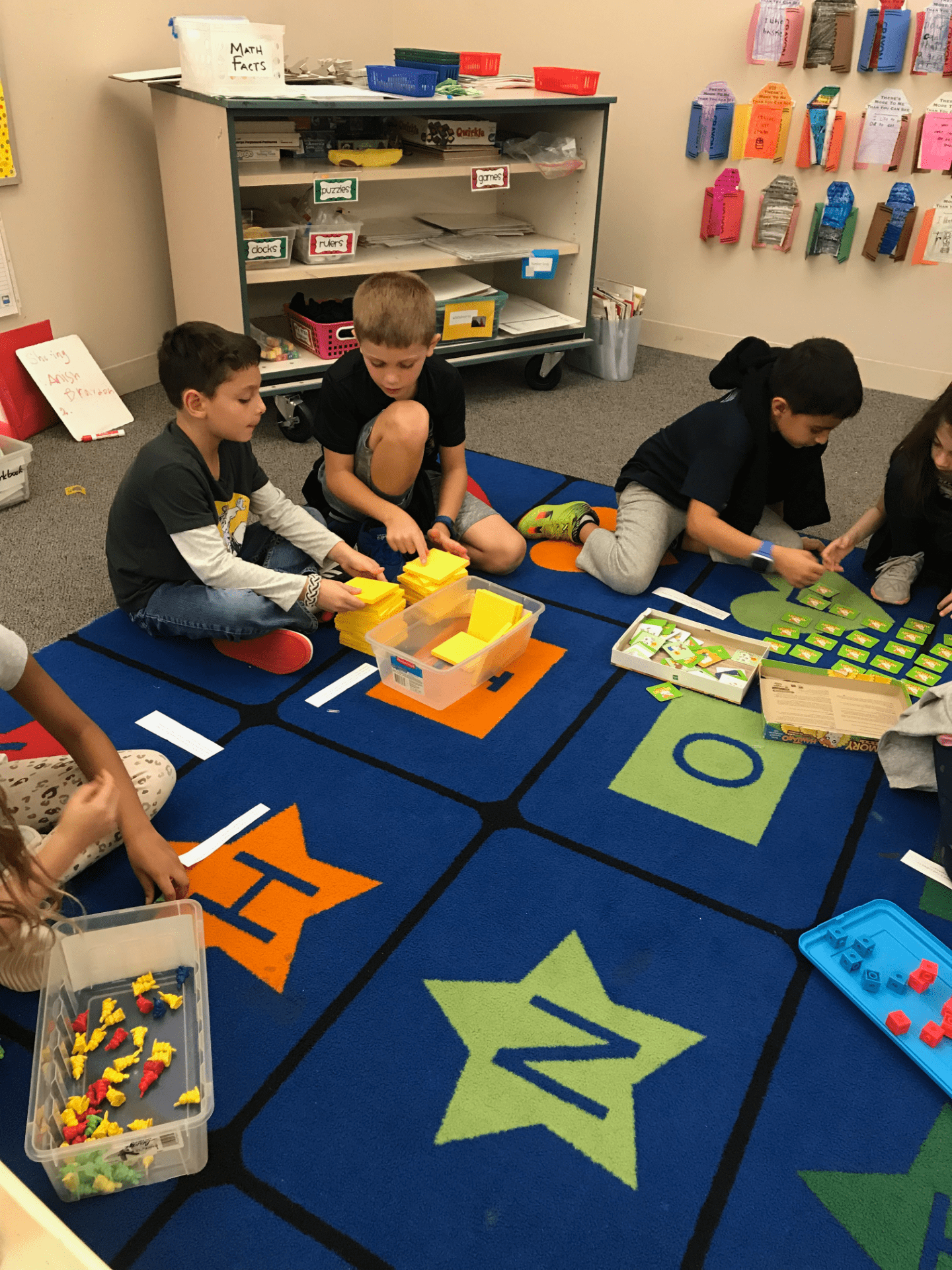
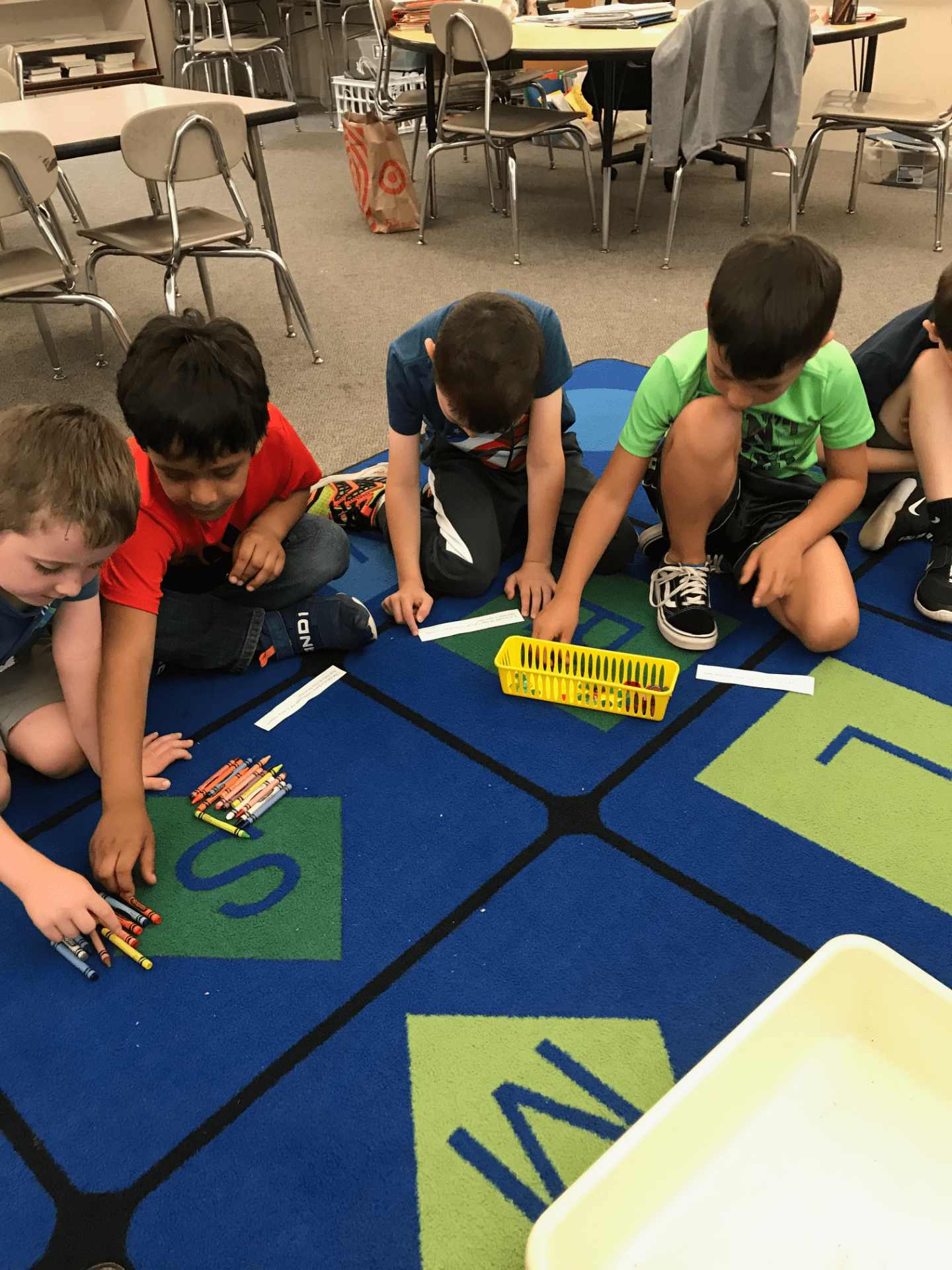
Here’s us at work solving math problems by showing we “Understand” as we act them out!

 Fall Festival: If you can’t join us on the field trip, consider coming for Fall Festival. In lieu of Halloween parties, our school engages kids with activities and crafts around fall and halloween. We need 2 more parent volunteers to help run crafts on Thursday, October 31, 9:30-11:00. Please let me know if you can help out!

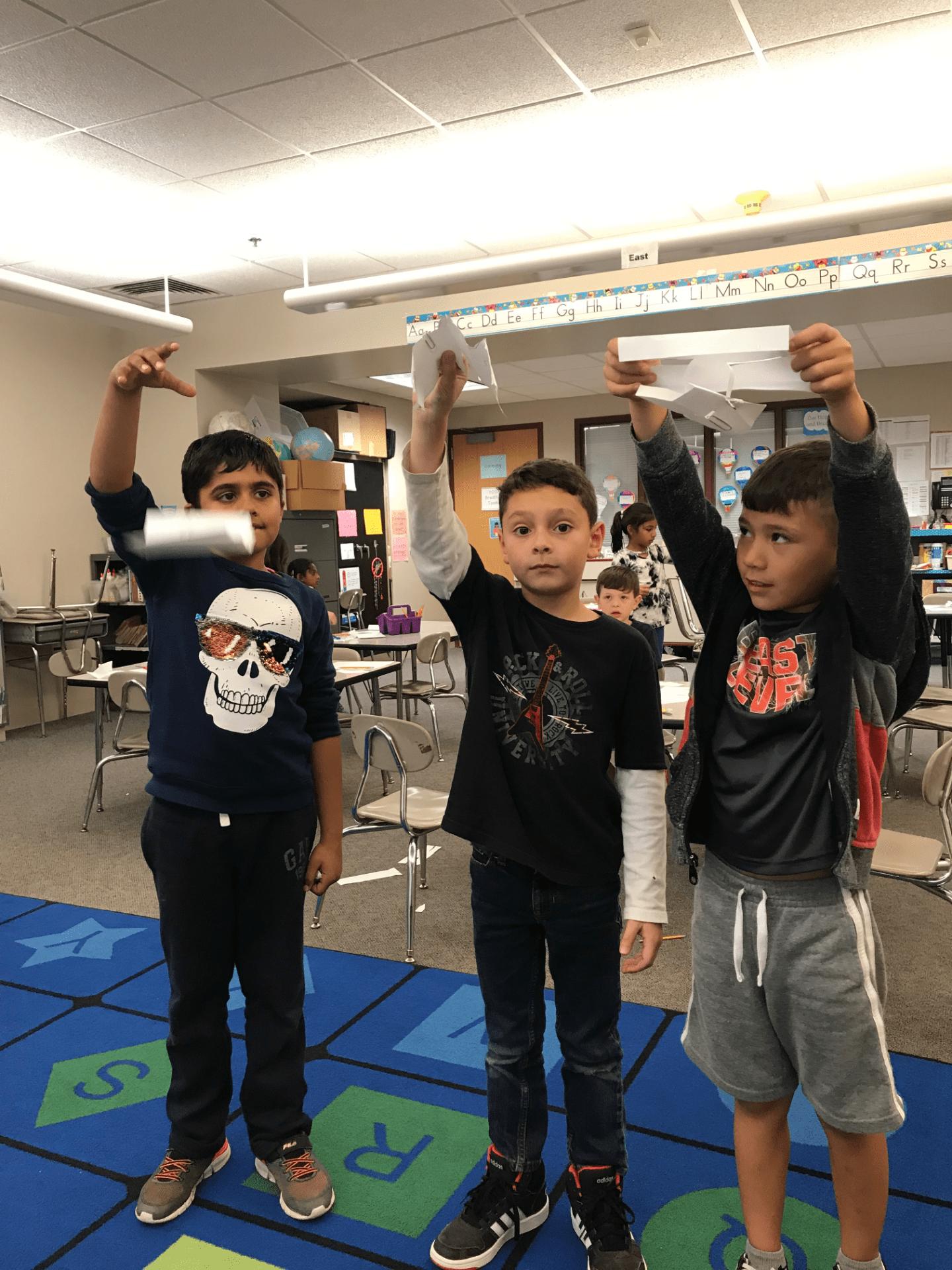
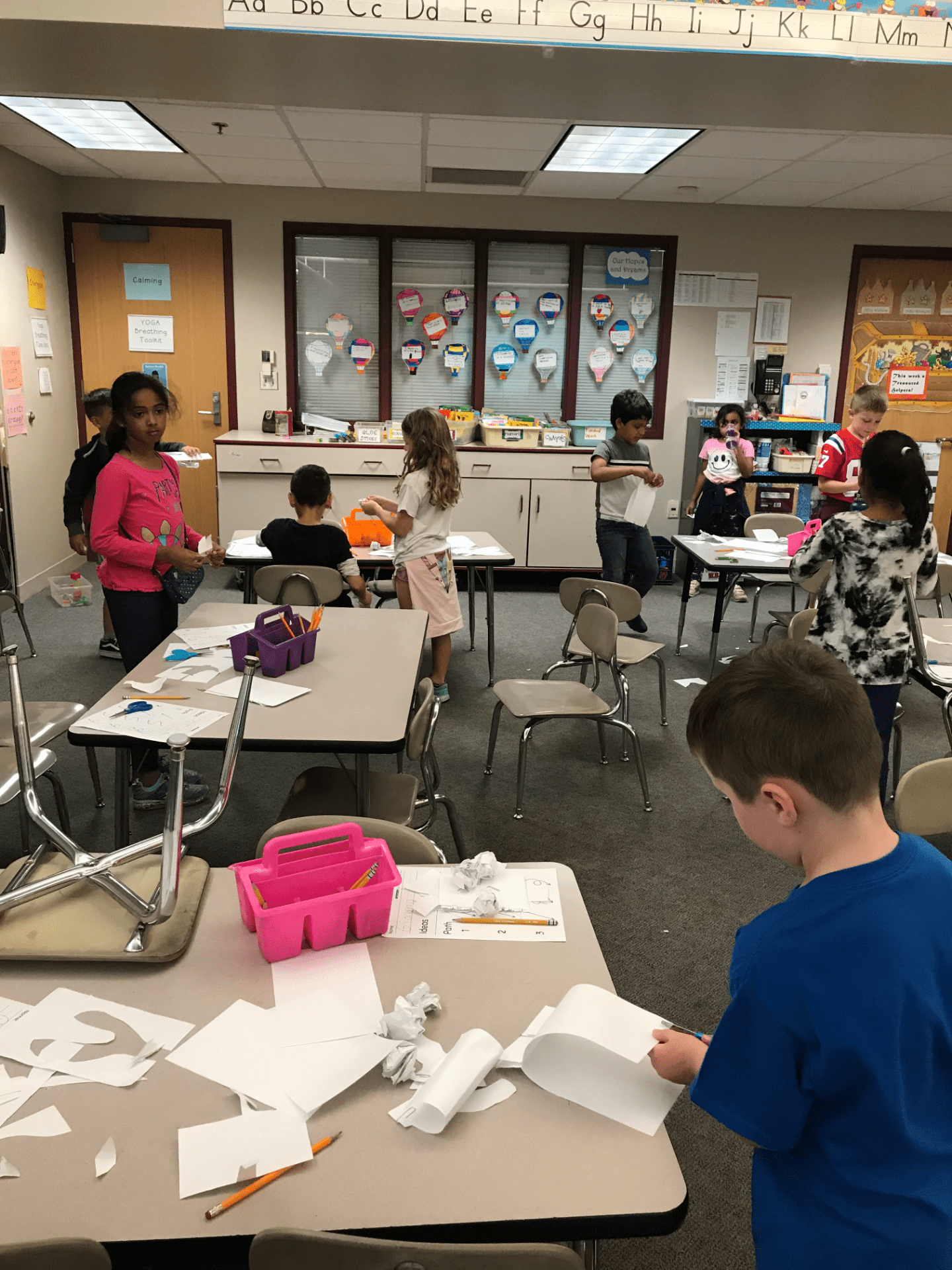
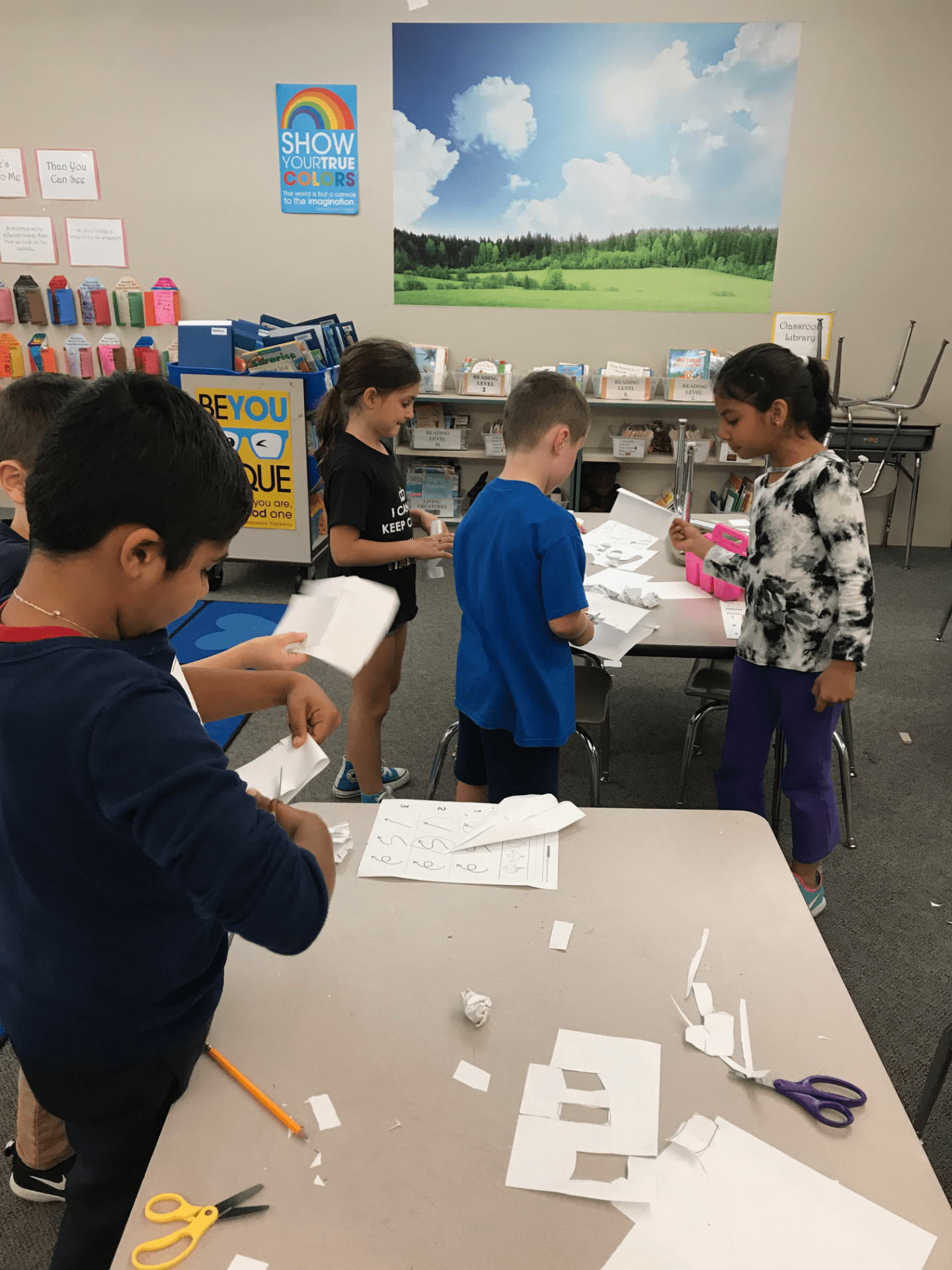

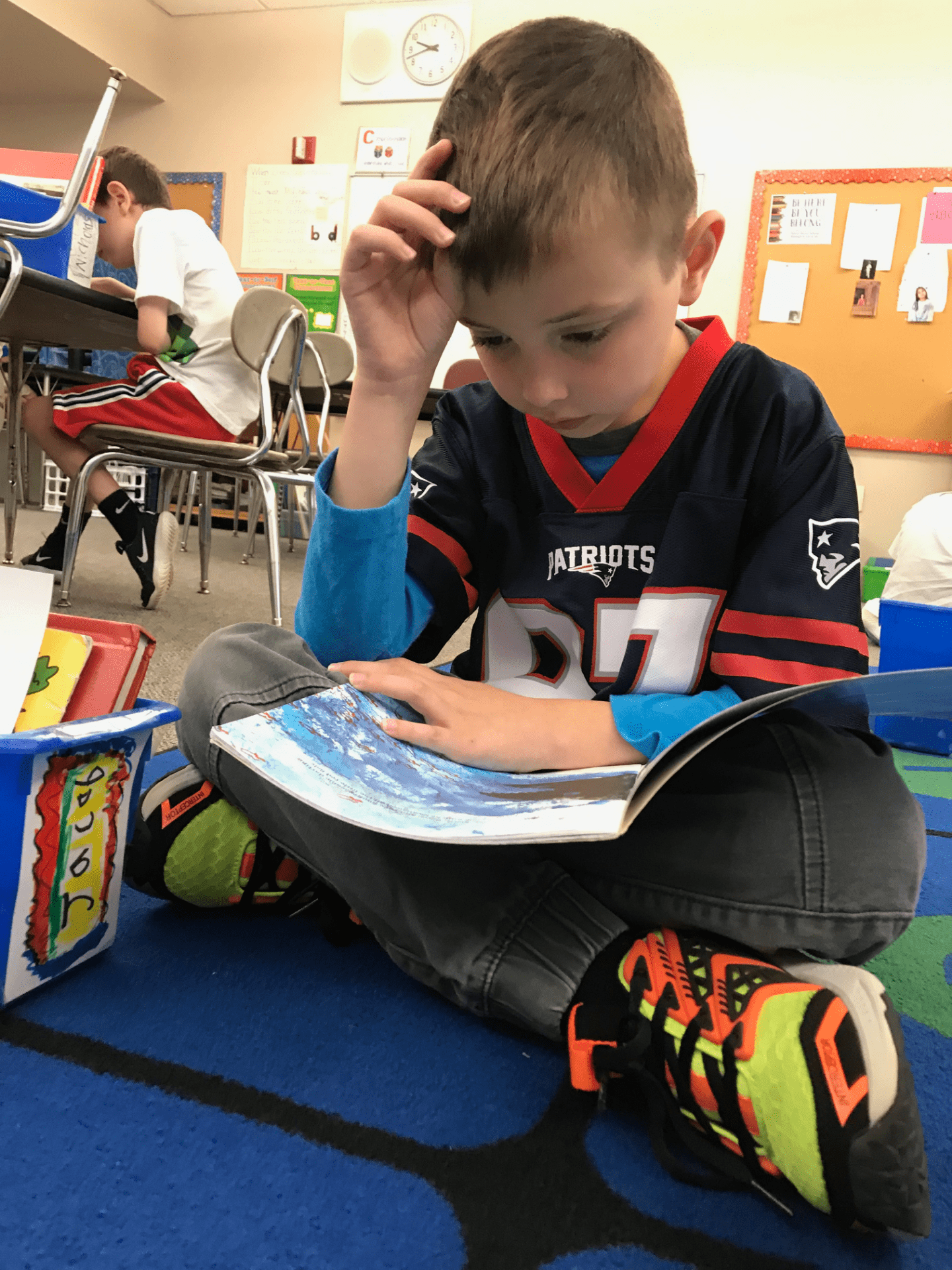
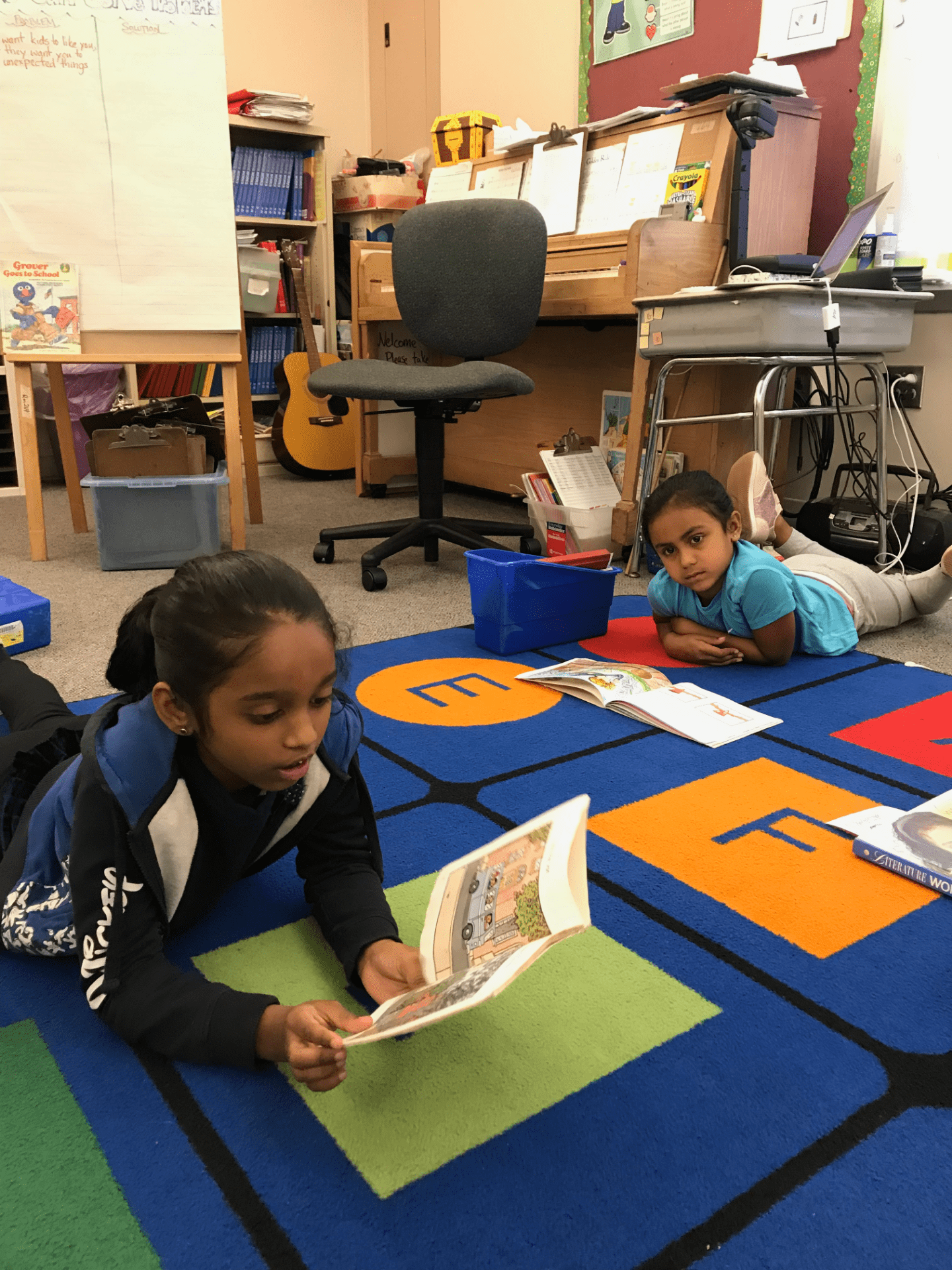
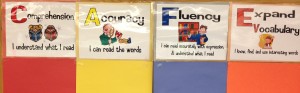 Building stamina for reading is an important strategy for young readers. Students have been working hard at it every day and learning what it looks like and feels like to really engage with texts at their levels during Read to Self time. This week, students will learn the ins-and-outs of reading with a partner (what we call Read to Others). At Read to Others time every day, students sit side-by-side and take turns reading from the same book or different books. They both look at the text while it’s being read, and take turns summarizing a page or section of text. Research supports this as a way to increase engagement, build fluency, and improve comprehension of what was read or heard! This
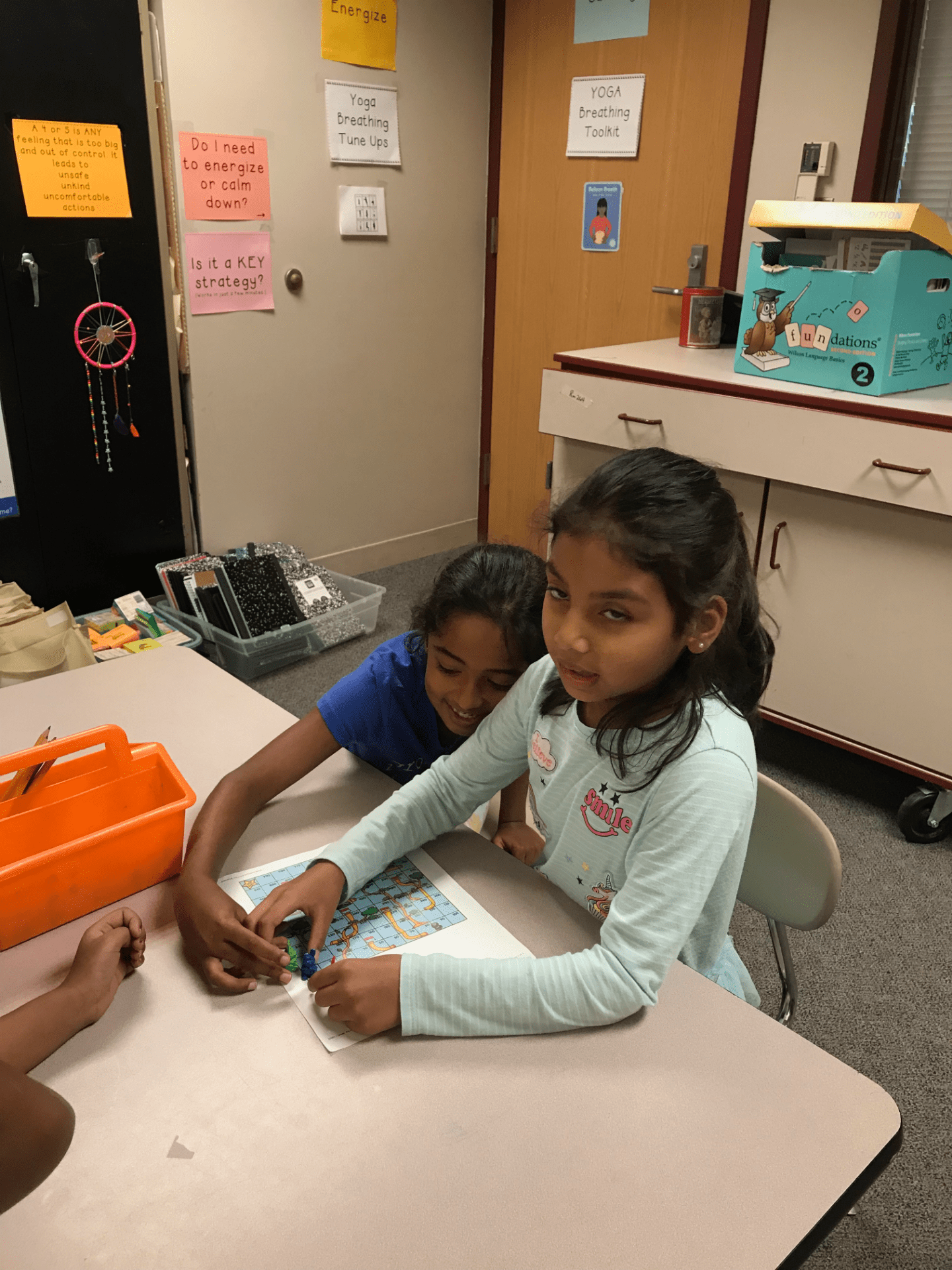
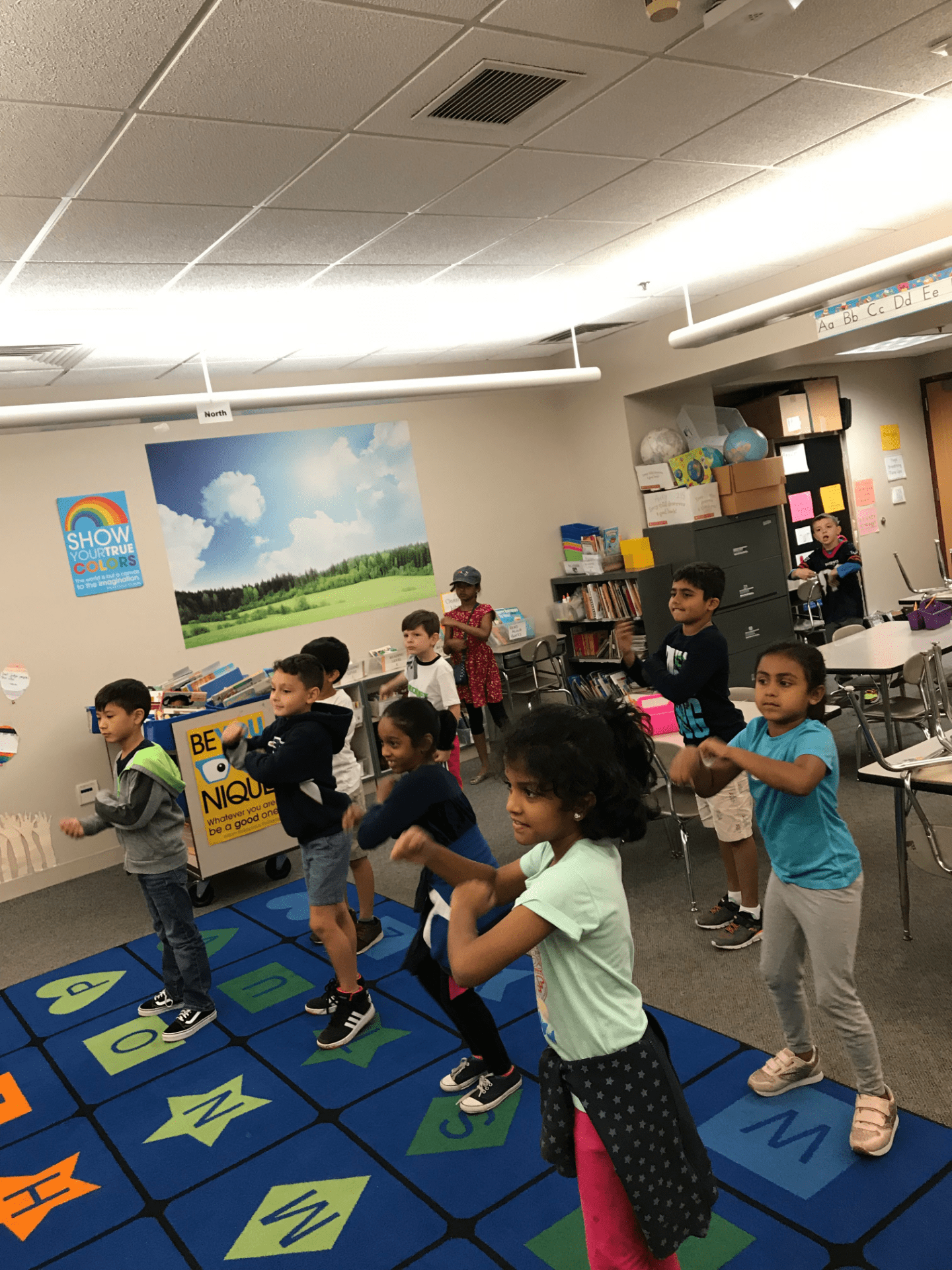
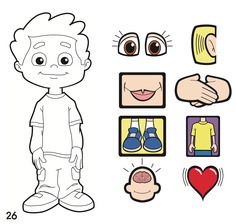
 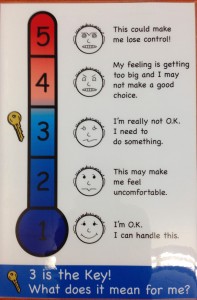 Self regulation is at the heart of teaching children to care and building a learning community. To help them achieve it, students are being taught to monitor their emotions using a social thinking thermometer. Notice the key? We say “3 is the key,” meaning it’s time to ask for help or use a strategy. One such strategy with proven success is yoga for kids. We’ve been practicing poses that focus on breathing and bringing down the temperature on our thermometers! For more on the importance of breathing for self-regulation,
 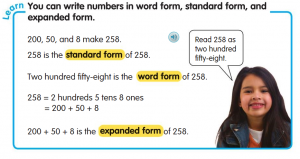 The math focus this week is all about numbers: how to understand them using their place value; how to recognize and identify them in standard, word, and expanded form; and how to add/count by 1s, 10s, and 100s by understanding the value of each digit. It is especially important that students develop an understanding of the hundreds, tens, and ones involved in these numbers. They will engage in various activities with base ten blocks, base ten pictures, and with written numbers.